Air Purification
Airborne dust and particles may be disturbed during removal of damaged plaster or mould-affected materials. Suitable filtration can help manage particles during cleanup work.
Check Air Purification Options
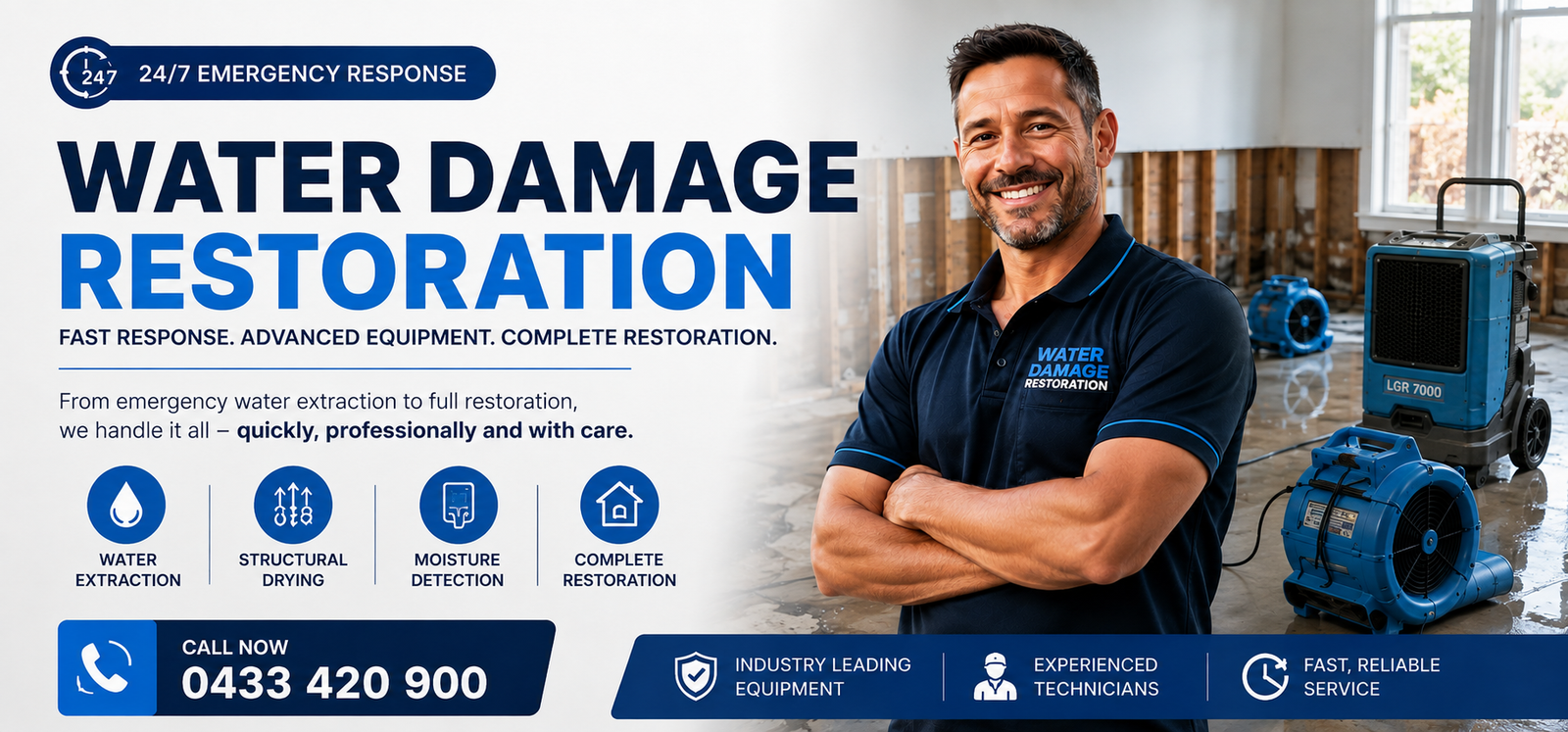
Water from an upstairs bathroom, leaking kitchen pipe or heavy rain can damage areas beyond the first wet patch. A ceiling may start to stain, timber boards may move, or carpet can stay damp underneath. We help property owners understand what needs checking, which materials may be dried and when repairs are the better option.
Airborne dust and particles may be disturbed during removal of damaged plaster or mould-affected materials. Suitable filtration can help manage particles during cleanup work.
Check Air Purification OptionsAfter a plumbing leak, wall linings and floors may still hold moisture. Structural drying helps deal with suitable wet materials using controlled airflow and dehumidification.
Explore Structural DryingMusty smells may remain when damp materials have not been fully dealt with. Finding the source is the first step before choosing a suitable odour treatment.
Discuss Odour TreatmentMould on a wall or ceiling may indicate a water leak or another moisture problem. Affected materials and the cause of the dampness need checking.
Plan Mould RemediationDirty water from a blocked drain or overflowing toilet requires careful removal and cleaning. Keep people away from the affected area until it has been assessed.
Arrange Sewage CleanupWater under timber floors can cause raised edges, swelling and changes in the boards. The right drying method depends on the timber and how the floor was laid.
Assess Floor DryingStanding water from burst pipes, leaking appliances and indoor flooding can be removed using suitable wet extraction equipment and pumps.
Request Water ExtractionAfter a flood, the carpet surface may dry while the underlay remains wet. Cleaning, extraction and drying options depend on the water source and carpet condition.
Get Wet Carpet Advice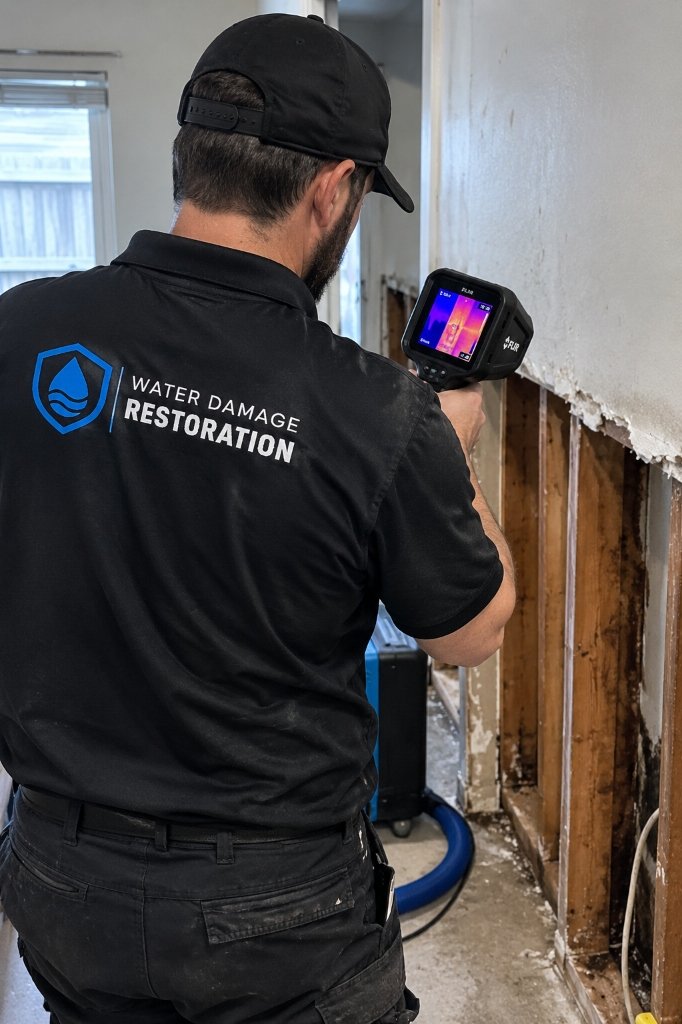
Finding water inside your home is stressful, particularly when it has reached expensive flooring or detailed interior finishes. We focus on understanding the source, identifying affected materials and explaining the options in clear, everyday language.
From finding out where the water started to checking the remaining moisture, each stage depends on the condition of the property.
We ask where the water came from, when you noticed it and whether the flow has stopped. This helps identify any immediate safety concerns.
Where suitable, water is extracted from affected areas. Heavily contaminated water needs separate handling from clean-water leaks.
We consider whether water has reached timber, carpet underlay, plasterboard or spaces beneath flooring.
Suitable drying equipment or cleaning work may be needed. Some materials may be too damaged to keep.
We discuss the condition of the affected area and whether further drying, plumbing repairs or building work is needed.
Not every leak causes an obvious flood. These problems can leave water in floors, ceilings and walls.
A failed water line may soak a cupboard, floor or wall before anyone can shut it off.
Rain can enter through damaged seals around doors or windows and reach indoor flooring.
Damaged roofing or gutters may allow rain to reach roof insulation and ceilings.
A loose or damaged hose can flood a laundry and send water into nearby rooms.
A slow leak beneath kitchen cupboards may affect boards and other flooring materials.
A leaking tank or connection can spread water across utility floors and into walls.
Water collecting around entrances may enter the home when drainage is blocked.
Wastewater coming back through drains can contaminate floors and porous items.
Water may travel through a floor and appear as a mark on the ceiling below.
A fridge water line or another appliance may leak behind fittings for some time.
Common questions about wet floors, ceiling leaks, drying, safety and arranging help.
Tell us what happened, which rooms are affected and whether the water has stopped entering. We can discuss cleanup options and current service availability.
Contact us about water damage in Toorak and surrounding areas. We can discuss water removal, wet carpet drying, structural drying and other services based on your property's needs.
Tell us your suburb and describe the damage so we can check service availability.
Learn what water can do to ceilings, walls and flooring, why proper drying matters, and how to reduce the risk of another leak.
Questions about a leak or flooded room in Toorak?
Call 0433 420 900